
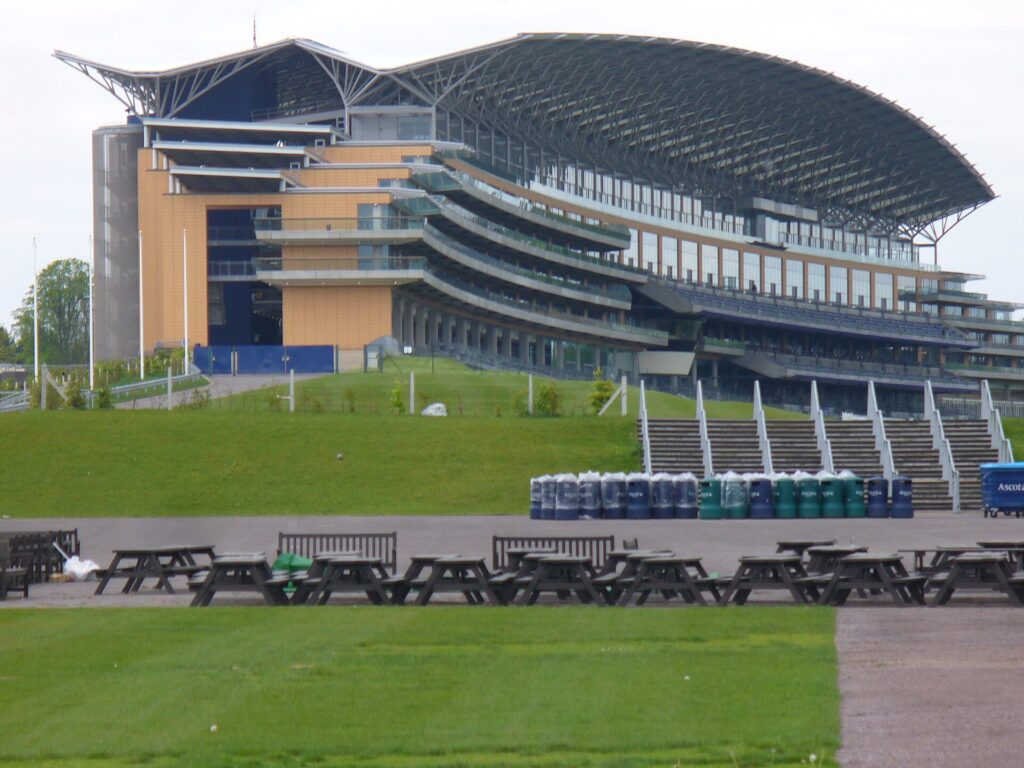

Ryan Moore and Shergar will be honoured at Ascot on British Champions Day on 17 October, following the announcement of their induction into the British Racing Hall of Fame. For regular Royal Ascot followers, Moore’s recognition provides a timely reason to look beyond the finishing photograph and consider the decisions that shape a race.
His victory on Estimate in the 2013 Gold Cup remains a particularly memorable Ascot association. The race’s demands help explain why. The Gold Cup’s history and staying tradition are built around a test in which a rider must conserve a horse’s resources while remaining close enough to use them.
A good position is not simply a low number in the running order. A horse travelling comfortably behind cover may be better placed than one disputing the lead under pressure. Equally, waiting can become a disadvantage if the pace is steady and the leaders have energy left when the race develops.
That makes race reading a study of conditions rather than reputation alone. Distance, ground, field size and the likely pace all affect the choices available to a jockey. A celebrated rider still needs the right circumstances for the horse beneath him.
The same distinctions belong in horse racing betting. A win selection asks whether the horse finishes first, while an each-way bet combines separate win and place parts, with the place terms specified for the race. The jockey’s name contributes context, but the race conditions and those terms define the actual proposition. A notable booking cannot substitute for reading the whole field.
Moore’s Hall of Fame announcement also connects the current racing calendar with older memories. Shergar’s inclusion recalls a different career and a different era, yet both will be celebrated at the same meeting. Ascot can hold those histories together without pretending the races themselves were identical.
PlaybookWire’s account of horse racing’s place in British sporting culture provides a wider setting for that relationship between a racecourse and its accumulated memories. Major meetings are remembered through individual performances as well as the annual ritual of returning to them.
The ceremony will recognise careers already established. The racing on Champions Day will present a new set of decisions, made in real time with no access to the final result. Watching when a rider settles, waits or asks a horse to advance offers a useful way to appreciate the skill being honoured.